Tattooing is not about decoration. It is a profound act of permanence, an anatomical intervention that requires both artistic vision and rigorous technical discipline. When you seek out a tattoo shop in Greenville, SC, you are not merely purchasing a service; you are entering into a collaborative dialogue that will result in a permanent structural change to your body. Because the stakes are high, the environment in which this work occurs must be beyond reproach.
The integrity of a tattoo is determined long before the first drop of pigment enters the dermis. It begins with the commitment of the artist to uphold a standard of safety that matches the sophistication of their art. For those searching for the best tattoo artist in Greenville, SC, the criteria must extend past the portfolio and into the technical necessities of a sterile, professional environment.
In my practice, I view the studio as more than a workspace; it is a controlled environment designed to protect the health of the client and the longevity of the work. Safety is the foundation upon which all successful composition is built.
The Sanctity of the Workspace
A professional studio should reflect the weight of the work being performed within its walls. When you walk into a tattoo shop in Greenville, SC, the atmosphere should convey a sense of calm, focus, and clinical precision. This is not about aesthetics for aesthetics' sake; it is about the functional necessity of a space that can be effectively disinfected.
I maintain a studio that prioritizes clarity and order. Porous surfaces, cluttered workspaces, and disorganized equipment are more than just distractions: they are liabilities. A professional space utilizes non-porous materials that can withstand hospital-grade disinfectants. Every piece of furniture, from the client chair to the artist’s station, must be capable of being stripped and sanitized between every session.
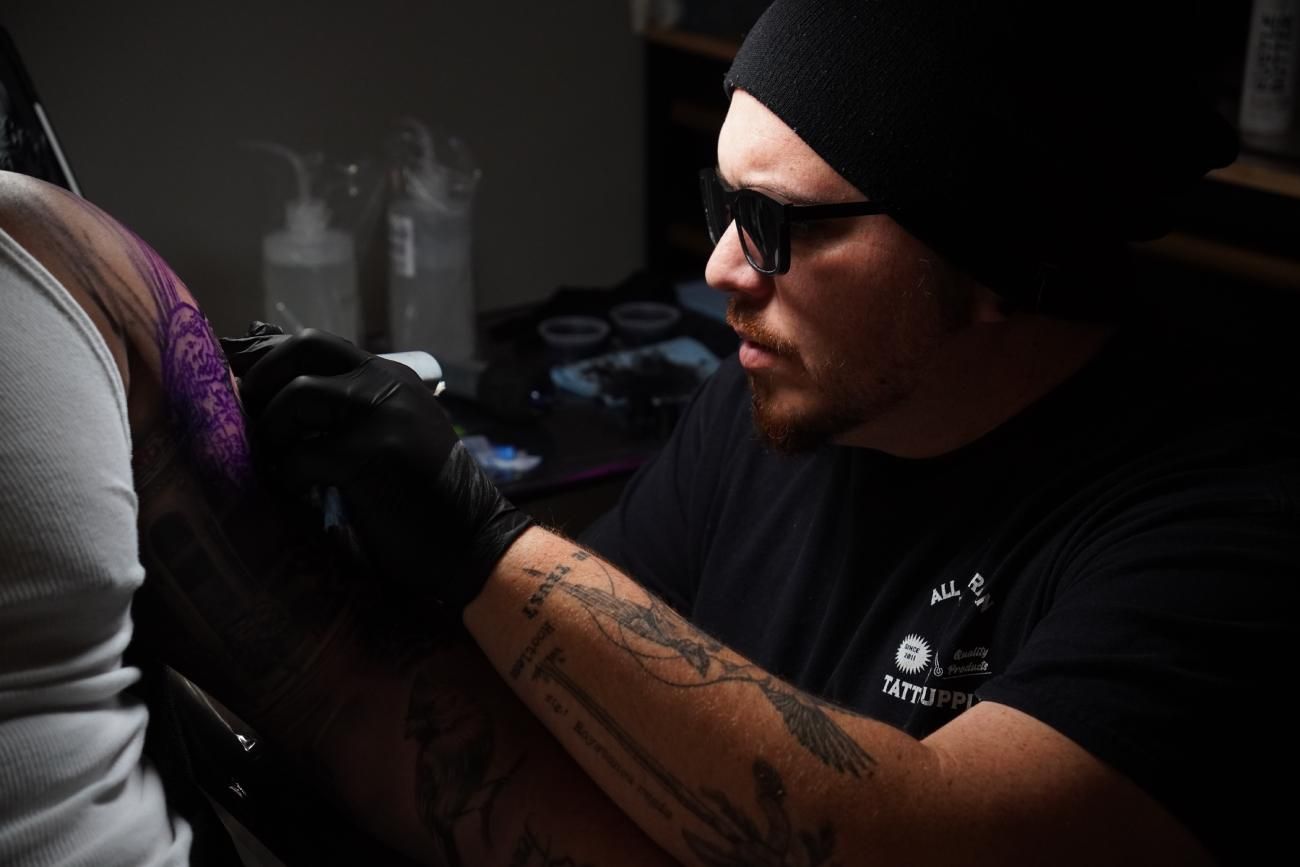
The presence of a clear barrier system is a non-negotiable indicator of professionalism. You should observe your artist meticulously wrapping equipment in single-use plastics or specialized barriers. This practice prevents cross-contamination, ensuring that the tattoo machine, power cables, and work surfaces remain isolated from biological materials. This level of attention to detail is what distinguishes a professional establishment from a mere commercial venture.
Technical Standards: Asepsis and Bloodborne Pathogens
The technical execution of a tattoo involves a complex interaction with human anatomy. As an artist, I am responsible for maintaining an aseptic field throughout the entire duration of the procedure. This requires more than just wearing gloves; it requires an intellectual understanding of how pathogens move and how to interrupt their transmission.
In South Carolina, the Department of Public Health (DPH) mandates specific certifications for every artist. These include:
- Bloodborne Pathogen (BBP) Training: An annual requirement that ensures the artist understands the risks of bloodborne diseases and the protocols for preventing their spread.
- CPR and First Aid Certification: Essential training for managing any unforeseen physical reactions during a session.
When choosing a studio, you should see these certifications displayed prominently. They are not merely paperwork; they are a public declaration of the artist's commitment to the safety of their clients. If an artist cannot demonstrate a mastery of these basic safety principles, they cannot be trusted with the structural integrity of your skin.
The Anatomy of a Safe Procedure
The process of building a tattoo is a series of deliberate, technical steps. Each step must be executed with a focus on hygiene to ensure the health of the skin and the clarity of the pigment.
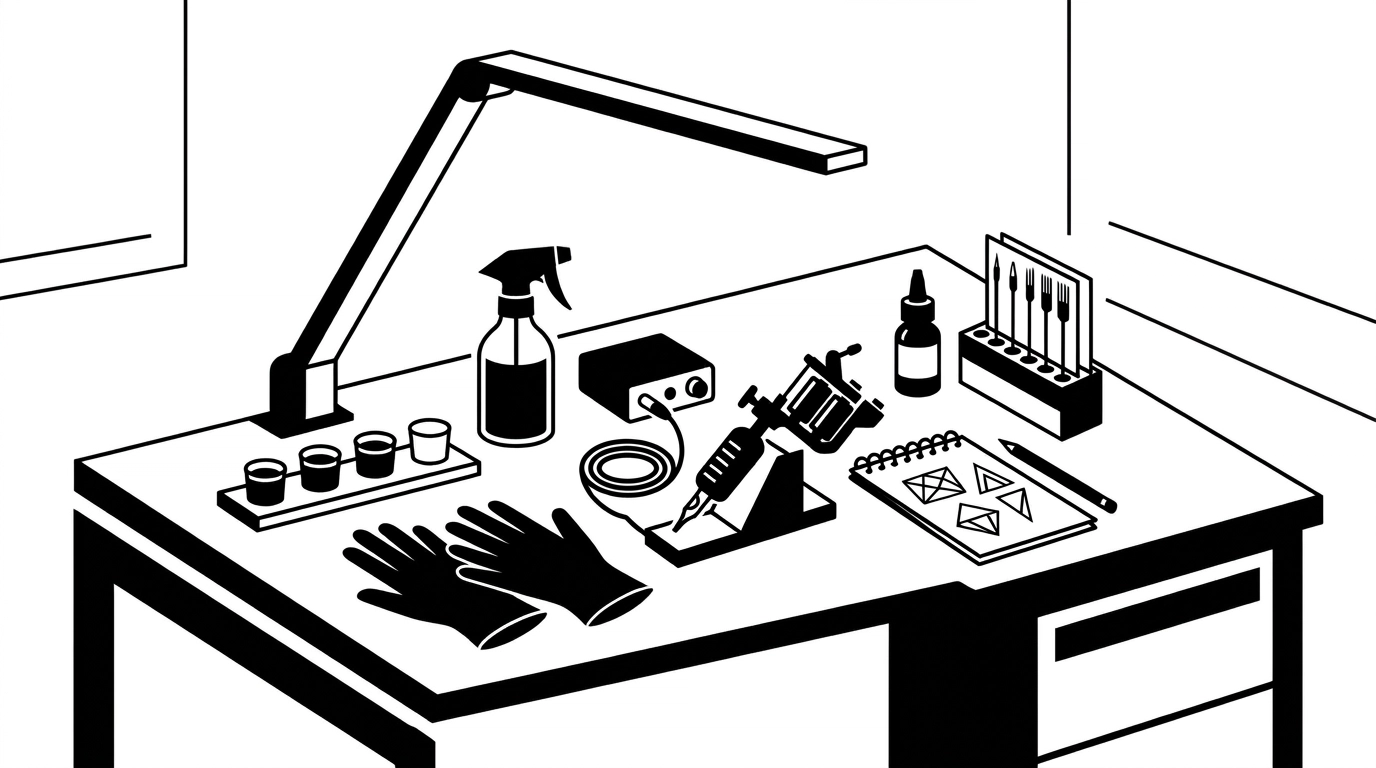
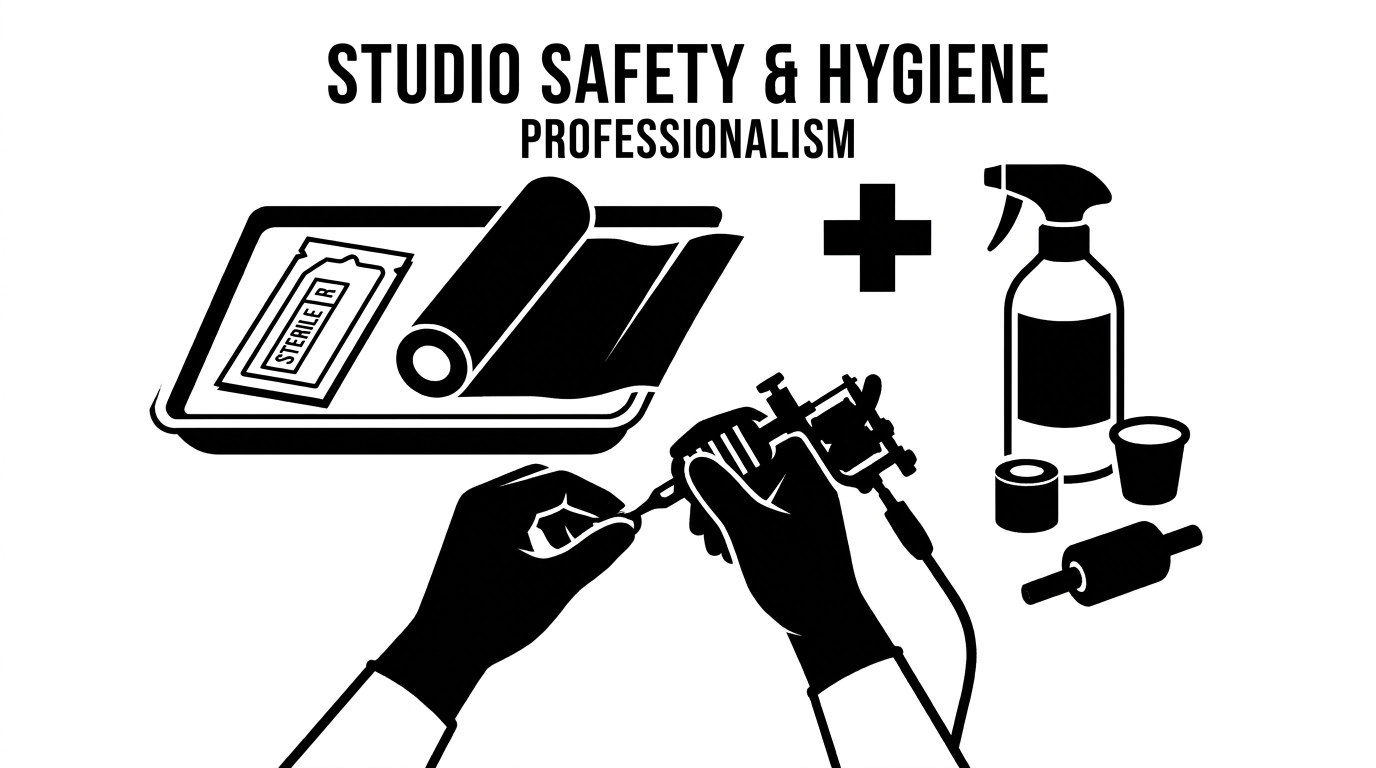
- The Setup: A professional artist will set up their station in your presence. You should see needles removed from factory-sealed, sterile blister packs. You should see fresh ink poured into single-use caps. This transparency is a cornerstone of the trust required for a successful custom tattoo design.
- Skin Preparation: Before the stencil is applied or the first line is drawn, the skin must be prepared. This involves a thorough cleaning with a germicidal soap or an alcohol-based solution to remove surface bacteria.
- The Procedure: Throughout the session, the artist must maintain a clean field. This means changing gloves if they touch anything outside of the sterile area and using distilled water or specialized soaps for cleaning the skin during the process.
- The Breakdown: Once the work is complete, the artist must dispose of all single-use items: needles, ink caps, barriers: into appropriate biohazard containers. The station is then fully disinfected before the next client arrives.
This cycle is repeated for every client, without exception. It is a rigorous, repetitive process that demands discipline and consistency. In my studio, I do not compromise on these steps, because the health of the client is the primary responsibility of the practitioner.
Longevity: The Intersection of Safety and Art
There is a direct correlation between the safety of the procedure and the long-term endurance of the tattoo. A tattoo that is applied in a compromised environment is at a higher risk of infection, which can lead to scarring and the loss of pigment. When we discuss the "longevity" of a piece, we are talking about how the art will age over decades, not just how it looks when it is fresh.
The technical skill required for black and grey realism relies on subtle shifts in value and precise contrast. If the healing process is interrupted by an inflammatory response due to poor hygiene, those fine details will be lost. The structural necessities of the design: the sharp edges, the soft gradients, the deep blacks: depend on the skin's ability to heal cleanly and efficiently.
I interpret the client’s vision through a lens of technical theory. I choose needle groupings and shading techniques that minimize trauma to the skin, facilitating a faster recovery. However, all of this technical finesse is rendered moot if the environment is not sterile. The best tattoo artist in Greenville, SC understands that the art and the safety of the process are inseparable.
The Collaborative Responsibility: Healing and Aftercare
The dialogue between the artist and the client does not end when the machine is turned off. It continues through the healing phase. A professional studio will provide clear, direct instructions on how to care for your new tattoo.
I do not sugarcoat the reality of the healing process. A tattoo is a medical-grade abrasion, and it will be uncomfortable. It requires patience and a commitment to follow the prescribed aftercare routine. This is part of the responsibility you take on as the bearer of the art.
Proper aftercare involves keeping the area clean, avoiding submersing it in water, and protecting it from UV exposure. These are not suggestions; they are requirements for the preservation of the work. If you have questions during the healing process, a professional studio should be available to provide guidance and ensure that the piece is settling correctly into the anatomy of your skin.

Conclusion: A Commitment to the Craft
Choosing to get a tattoo is a significant decision. It is an investment in your self-expression and a commitment to a permanent change. As such, you deserve a studio that respects the gravity of that choice.
When you are researching a tattoo shop in Greenville, SC, look for more than just impressive photos on social media. Look for signs of professionalism, a commitment to hygiene, and an artist who speaks about their craft with the seriousness it deserves.
In my studio, I prioritize quality, patience, and consistency over speed or volume. Every piece I build is a reflection of my personal conviction to uphold the highest standards of the industry. Whether we are working on a small, meaningful symbol or a complex, full-scale realism piece, the approach remains the same: safety first, art always.
If you are ready to begin the process of creating something unique and enduring, I invite you to contact me for a consultation. Let’s discuss your vision and how we can bring it to life in a way that is both safe and structurally sound.
Key Considerations for Your Visit:
- Observe the Environment: Is the studio clean, organized, and professional?
- Check Certifications: Are the BBP and First Aid certificates visible and current?
- Ask About Protocols: Does the artist explain their sterilization and setup process?
- Review Aftercare: Does the studio provide detailed instructions for the longevity of your tattoo?
By prioritizing these standards, you ensure that your experience is not only artistically fulfilling but also medically safe. This is the hallmark of professional tattooing.