Tattooing is not about decoration. It is a structural commitment to the anatomy and a permanent modification of the biological canvas. When I approach a new piece, I am not merely drawing; I am building a composition intended to endure for decades. In the realm of black and grey tattoos in Greenville, SC, the difference between a piece that ages with dignity and one that fades into a muddy silhouette often comes down to the technical decisions made during the initial dialogue.
Too often, clients approach the process with a focus on immediate aesthetic gratification, neglecting the structural necessities that govern how ink behaves within living tissue. To ensure your investment retains its clarity and contrast, you must understand the mechanics of permanence.
Here are the seven most common mistakes I see, and how we can avoid them through intentional design and disciplined maintenance.
1. Prioritizing Softness Over Contrast Engineering
One of the most prevalent technical errors is the failure to account for "settling." A black and grey realism piece is dynamic; it changes as it heals. The mistake many make: both artists and clients: is aiming for the exact tonal range of a reference photo on day one.
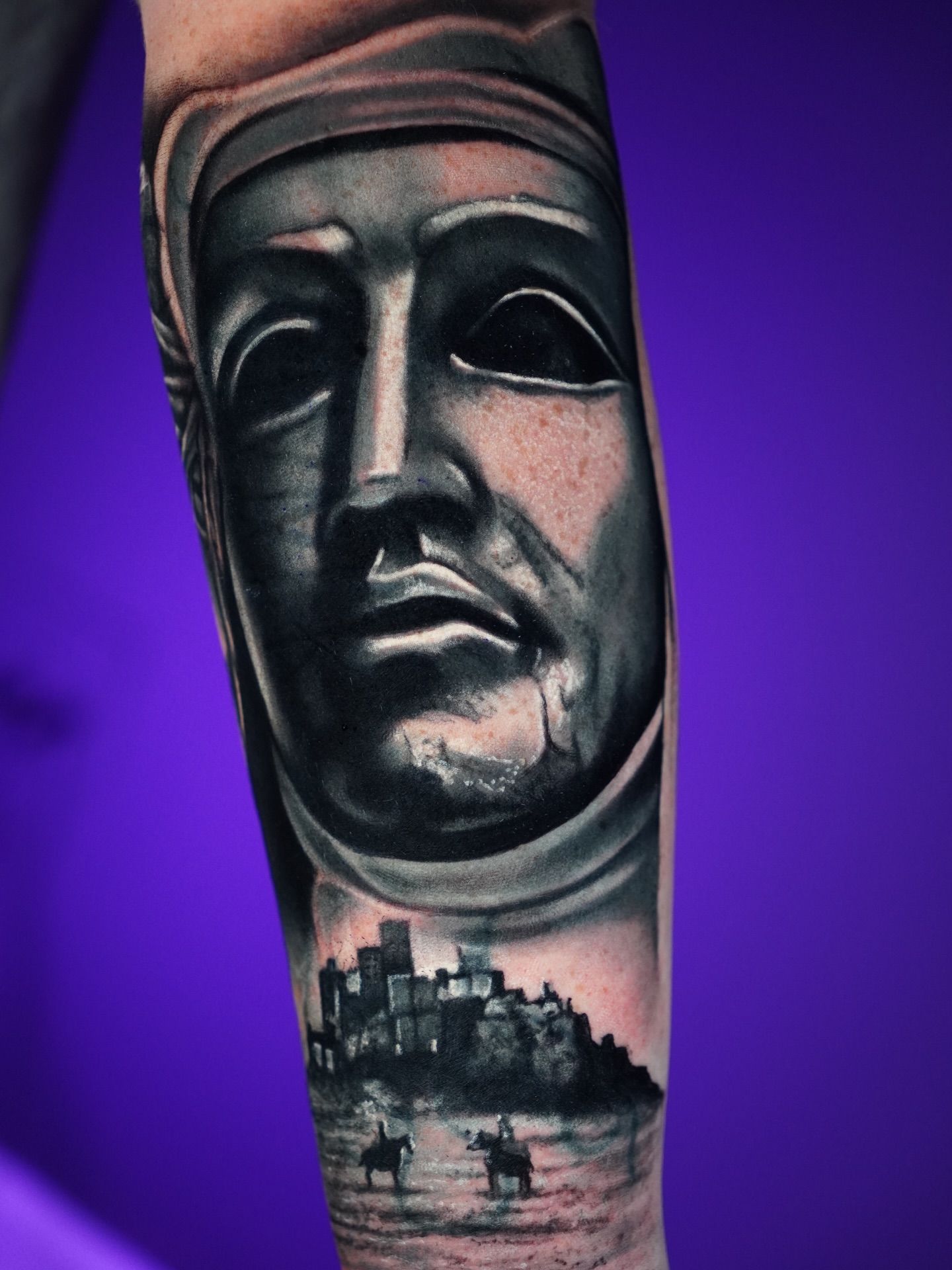
In my practice, I utilize contrast engineering. This means intentionally overbuilding the dark values. If we want a shadow to appear as a medium grey in five years, it must be applied with a deeper intensity today. By pushing the contrast beyond the immediate desired look, we ensure that as the ink particles settle and the skin regenerates over the pigment, the remaining "healed" value is exactly where it needs to be. Without this foresight, the work will inevitably lack the punch and depth required for long-term endurance.
2. Neglecting the Anatomy of Placement
A tattoo does not exist in a vacuum; it exists on a moving, stretching, and aging body. A mistake I frequently encounter is a design that ignores the underlying musculature and skin tension. For instance, placing a highly detailed portrait on an area subject to frequent torque: like the inner wrist or the elbow ditch: is a recipe for premature distortion.
During a tattoo consultation in Greenville, SC, I evaluate how the design interacts with your specific anatomy. We must treat the body as a blueprint. A sleeve, for example, requires a sophisticated understanding of how the bicep rotates and how the forearm expands. If the design does not flow with these natural transitions, the composition will break, and the technical execution will be wasted on a surface that works against it.
3. The Fallacy of the "Healed and Done" Mentality
The biological process of tattooing does not end when the scabbing stops. Many clients treat aftercare as a two-week chore rather than a lifelong commitment to preservation. The greatest enemy of black and grey realism is UV radiation.
Sun exposure is a chemical assault on the pigment. UV rays break down ink particles, allowing the body’s lymphatic system to more easily carry them away, leading to the dreaded "fading." If you are not applying high-quality SPF 30+ to your ink every time you leave the house, you are actively participating in the degradation of your art. Longevity is a shared responsibility; I provide the technical foundation, but you must provide the environmental protection.

4. Over-complicating Small-Scale Compositions
There is a mathematical reality to skin art: ink spreads. Over decades, lines will broaden, and the "breathing room" between shades will diminish. A common mistake is attempting to cram too much narrative detail into a space that cannot support it.
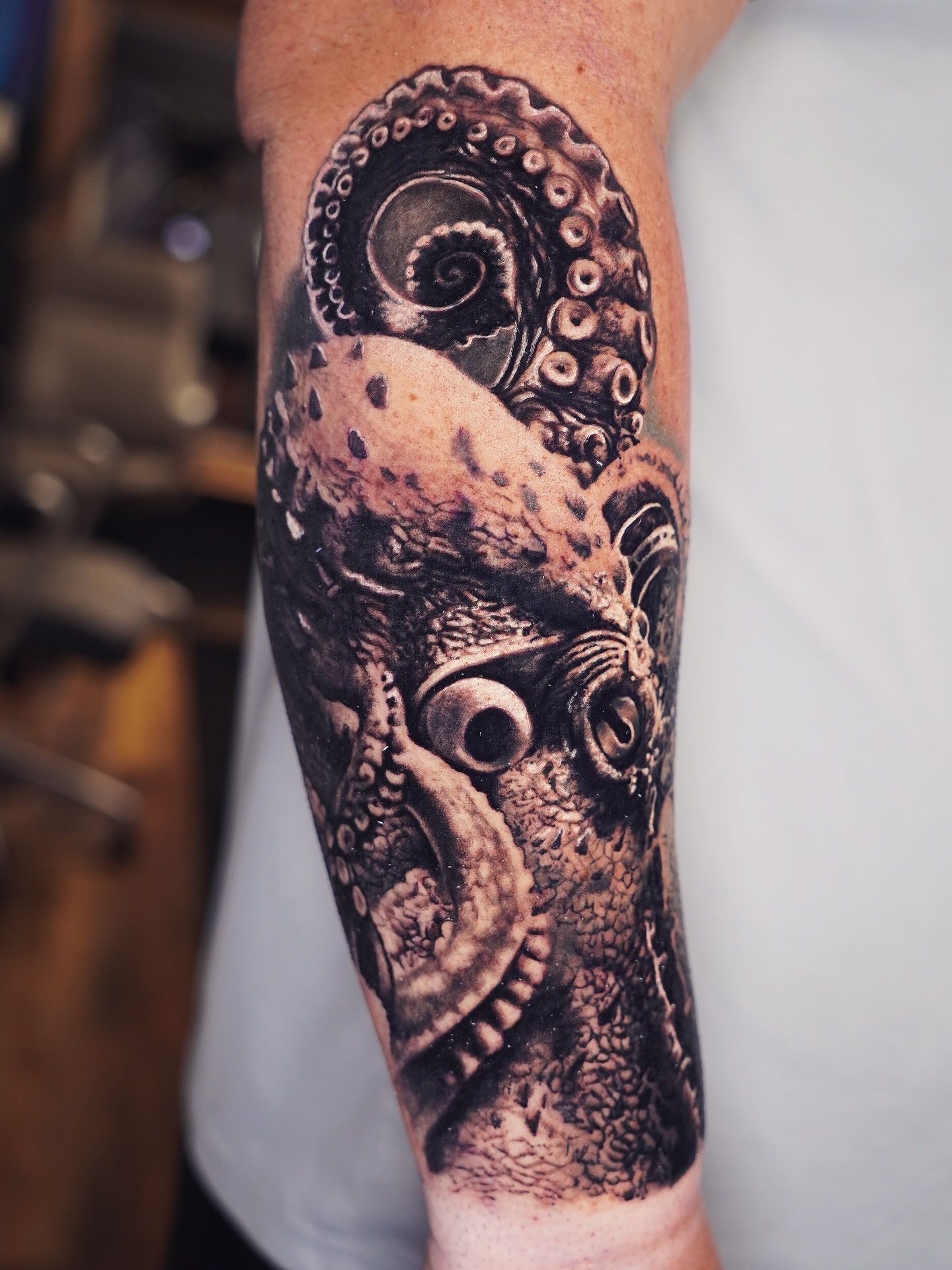
In black and grey tattoos, we must respect the necessity of negative space. Space is not "empty"; it is a functional component of the design that prevents the piece from becoming a dark, illegible mass as the skin ages. When we discuss your vision, I will often suggest simplifying or enlarging certain elements. This is not a limitation of skill, but a prioritization of the piece’s integrity ten years from now.
5. Disrupting the Biological Healing Process
The immediate aftercare phase is a delicate period of wound management. The most common mistakes here are picking at the surface or over-moisturizing. Picking at a healing tattoo is an act of physical trauma that pulls pigment out of the dermis, leaving permanent gaps in the composition.
Conversely, drowning the tattoo in heavy, petroleum-based ointments can suffocate the skin and trap bacteria, leading to inflammation or "leaking" of the ink. I advocate for a balanced, minimalist approach: keep it clean, keep it breathable, and use only the recommended amount of specialized lotion. We are managing a biological recovery, and patience is a technical requirement.
6. Failing to Conduct a Proper Dialogue
Many people search for tattoo studios in Greenville, SC, and walk in expecting a retail transaction. This is a fundamental misunderstanding of the craft. High-level realism requires a dialogue.
A mistake I often see is a client bringing a static, filtered image from social media and insisting on an exact replica. These images are often misleading: edited to increase contrast or captured under lighting that doesn't exist in the real world. My role is to translate your vision into a design that works specifically for your skin tone and body type. Trusting the professional to interpret your narrative is essential for a result that is both unique and technically sound. You can see how this collaboration manifests in my portfolio.
7. Choosing Convenience Over Specialized Technical Skill
The final, and perhaps most costly, mistake is choosing an artist based on proximity or price rather than their mastery of the medium. Realism: specifically black and grey: requires a deep understanding of light theory, texture, and needle depth.
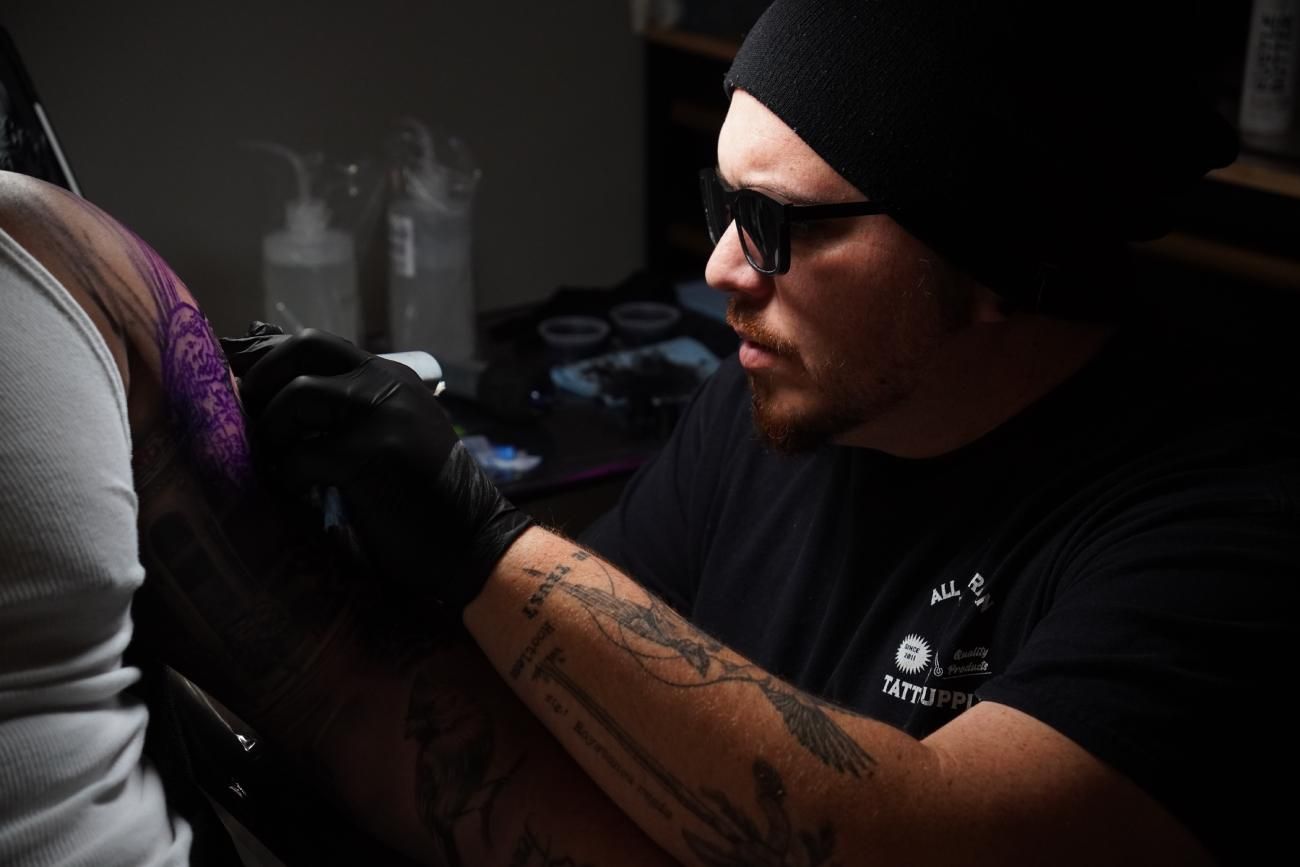
A generalist may be able to execute a simple design, but building a multi-dimensional realism piece requires a specialist who understands the "anatomy of a sleeve" and the structural necessities of large-scale work. When you choose to work with me at my studio, you are choosing a process focused on quality, hygiene, and the patient building of a lasting legacy.
Building for the Long Term
Tattooing is an exercise in permanence. It requires us to look past the trends of the current month and focus on the decades to follow. By avoiding these common pitfalls: from neglecting contrast to ignoring the sun: you ensure that your body art remains a clear and powerful reflection of your story.
If you are ready to move beyond decoration and begin the collaborative process of building a meaningful, long-lasting piece, I invite you to book a consultation at my studio in Greenville. Let’s focus on the technical truths that make great art endure.