
Tattooing is not merely a form of decoration; it is an architectural commitment.
When we speak of black and grey realism, we are discussing the translation of three-dimensional life into a two-dimensional medium: the human skin. As a professional dedicated to black and grey tattoos in Greenville, SC, I view every project as a structural necessity. The most common error in the pursuit of realism is the sacrifice of contrast for the sake of immediate softness. However, a tattoo that looks "perfect" on the day of its completion may become an illegible blur within a decade if it lacks a foundational hierarchy of values.
Contrast is the sovereign rule of longevity. It is the anchor that prevents the inevitable spread of ink and the natural aging of the skin from eroding the clarity of the image. To understand why contrast is king, one must move beyond the aesthetic and delve into the technical art theory that governs how light, shadow, and anatomy interact over time.
The Technical Foundation: Understanding Value and Contrast
In the realm of academic art, "value" refers to the lightness or darkness of a color. In black and grey realism, our palette is restricted to a spectrum of greys derived from the strategic dilution of black pigment. Many clients are initially drawn to the soft, ethereal mid-tones that define modern realism. While these tones are essential for creating the illusion of skin texture or atmospheric depth, they lack the structural integrity to stand alone.
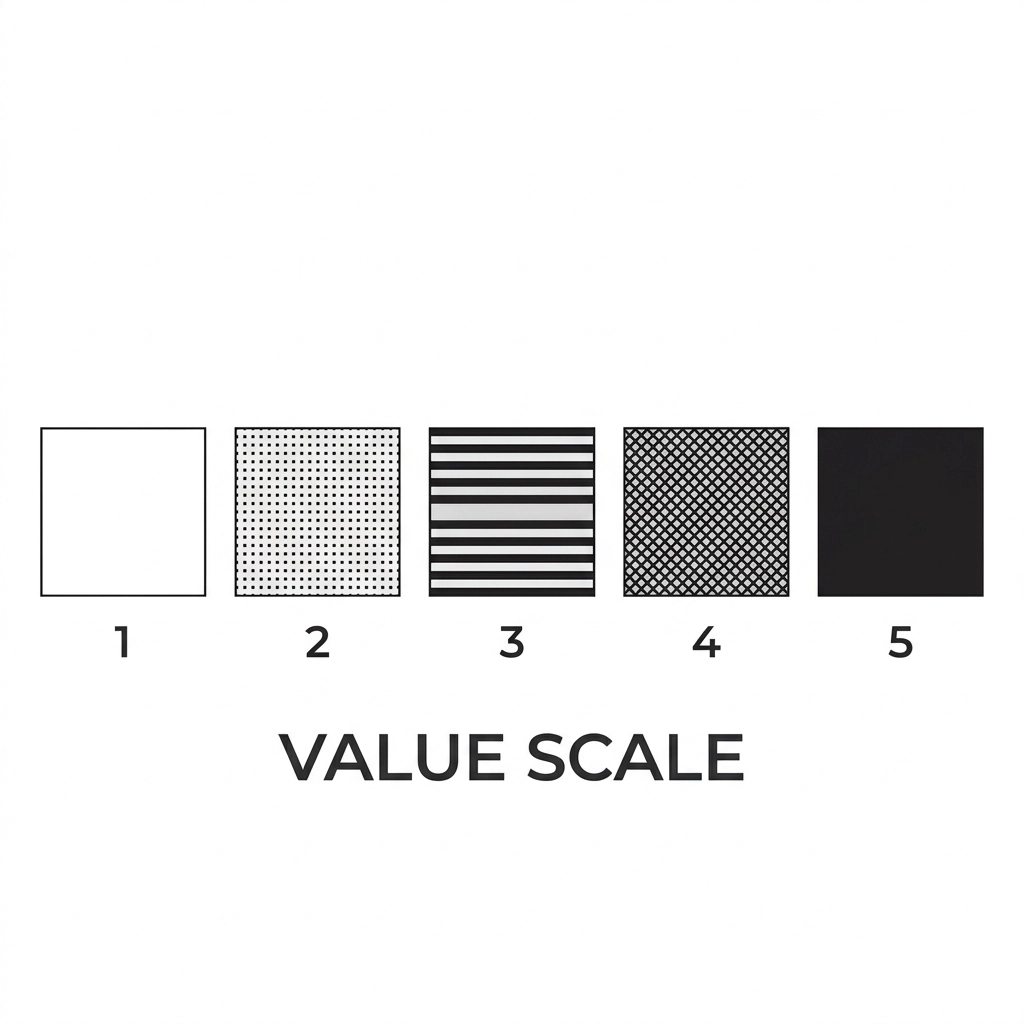
Contrast is the relationship between these values. Without a definitive "true black" and a preserved "skin highlight," the mid-tones lose their context. When I build a custom tattoo design, I am not just drawing; I am mapping the light. I am identifying the structural "anchors": the darkest points of a shadow or the sharpest edges of a form: that will hold the composition together as the years pass.
A tattoo is a living thing. The ink resides in the dermis, where it is subjected to the body’s immune system and environmental factors like UV exposure. Over time, the edges of the ink particles soften. If a design relies solely on subtle gradients of grey, those gradients will eventually merge into a singular, flat tone. By prioritizing high contrast, I ensure that there is enough "visual distance" between the darkest and lightest elements so that, even as they soften, they remain distinct.
The Anatomy of Form: Building Depth
The goal of a realism tattoo artist in Greenville, SC, is to trick the eye into seeing volume on a flat surface. This is achieved through the manipulation of light and shadow, a technique known as chiaroscuro. To create the illusion of a protruding muscle, a curved bone, or a folded fabric, the artist must understand how light wraps around an object.

Consider the realistic Spartan warrior helmet or the Saint Michael composition found in my portfolio. These pieces succeed because of their aggressive use of contrast. The deep shadows within the helmet’s visor or beneath the angel’s wings are not just "dark areas"; they are the foundational voids that allow the highlights to appear bright.
In my studio, I emphasize the importance of "negative space": using the client’s natural skin tone as the ultimate highlight. If we saturate every inch of the skin with ink, we lose the ability to create true luminosity. A masterpiece of realism is a dialogue between the ink and the skin, where the skin provides the light and the ink provides the structure.
Longevity and the Inevitability of Aging
We must be honest about the nature of our canvas. Skin is not paper. It stretches, it regenerates, and it ages. A tattoo is a permanent mark, but it is also a dynamic one. As a professional, my responsibility is not just to the client who walks out of my studio today, but to the person who will be wearing that art twenty years from now.

This is why I advocate for "structural contrast." Soft greys are the first to fade. If a portrait of a loved one or a detailed skull and flower piece is composed only of these delicate tones, the features will eventually disappear, leaving behind a faint, unidentifiable smudge. However, if the eyes of that portrait are anchored with deep, saturated blacks and the bone structure is defined by sharp value shifts, the "soul" of the image will endure.
Technical skill is measured by the ability to balance this longevity with immediate beauty. It requires patience and a commitment to quality over speed. Building layers of grey wash to achieve a smooth gradient while maintaining the integrity of the black anchors is a meticulous process. It is a commitment to the craft’s highest standards.
The Collaborative Dialogue: From Vision to Reality
Creating a unique piece of body art is a collaborative process. During our one-on-one consultations, I often explain these technical necessities to my clients. My role is to translate your personal narrative or vision into a design that respects the laws of anatomy and the realities of the medium.
Sometimes, this means adjusting a client’s reference photo. A photograph may have "blown-out" highlights or "muddy" shadows that work on a screen but will fail on the skin. I must reinterpret those values to ensure the tattoo remains legible. This is the difference between a "copyist" and a "translator." I am not merely performing a service; I am building a legacy on your skin.
Whether you are looking for your first tattoo or are a seasoned enthusiast, the choice of artist is a choice of longevity. In Greenville, SC, my studio provides a focused, professional environment where detail and hygiene are paramount. We do not sugarcoat the process because the work we do carries weight. It is an act of permanence.
Final Thoughts: A Commitment to the Craft
Tattooing is a discipline of discipline. It requires a deep understanding of composition, a mastery of contrast, and a respect for the long-term endurance of the art. When you choose to invest in a piece of black and grey realism, you are investing in the technical skill that keeps that image sharp as the years pass.
Contrast is not just an aesthetic choice; it is a declaration of intent. It is the secret to realism that lasts. If you are ready to begin the dialogue and bring your vision to life with a design built for the future, I invite you to reach out and schedule a consultation. Let us build something that will stand the test of time.
- View my latest work: Portfolio
- Ready to start? Book your consultation
- Learn more about my philosophy: About the Studio